22 Tankers: The Fuel Load Required for SpaceX's Lunar Push
A NASA safety panel determined that up to 22 orbital refueling events are necessary to support a crewed lunar landing, even as SpaceX declines three military contracts.
By Chinedu Okafor ·
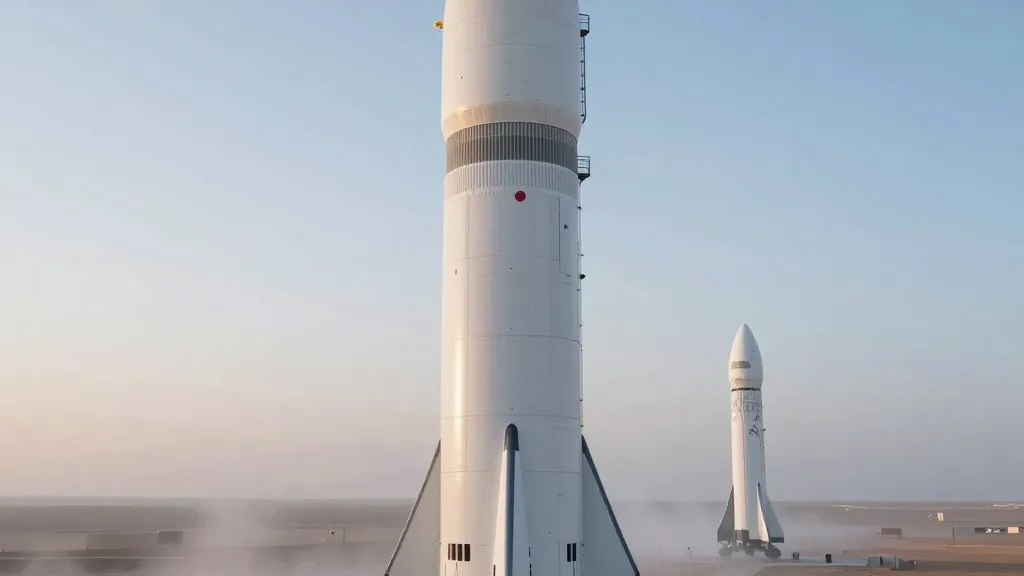
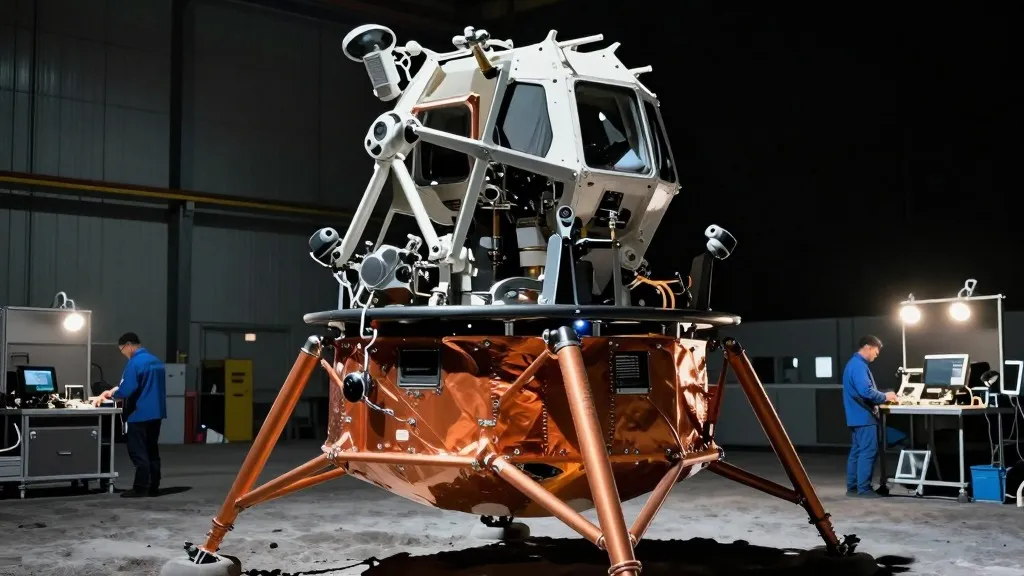
The path to the Moon has just been quantified in precise, logistical terms that highlight the immense engineering challenges ahead. A recent assessment by a NASA safety panel has established that SpaceX’s Starship vehicle may require as many as 22 separate refueling operations in low Earth orbit to accumulate enough propellant for a lunar landing. This figure stands as a critical benchmark for the commercial space sector as it transitions from suborbital testing to deep-space architecture, setting a clear standard for the complexity of future interplanetary missions.
This week brought a mix of strategic shifts and technical milestones for the industry’s leading players. While SpaceX navigated a significant decision regarding its government partnerships, European and Canadian startups continued to advance their hardware toward their respective debut flights. The following timeline outlines the key developments that shaped the current landscape of spaceflight as of late October 2026.
In a notable shift in posture, SpaceX informed the US Space Force that it was declining three offered military launch contracts. The company’s decision to pass on these opportunities marks a distinct strategic choice during a period of high demand for heavy-lift capabilities. By turning down these specific government deals, SpaceX has signaled a prioritization of its internal roadmap, potentially favoring its commercial and civil space initiatives over immediate military revenue streams.
Simultaneously, the focus on civil space intensified with the release of the NASA safety panel’s findings. The determination that up to 22 refuelings are required underscores the logistical hurdle of moving large amounts of fuel between orbiters in space. This number represents a substantial operational workload, requiring precise rendezvous and docking maneuvers to ensure the Starship upper stage is fully fueled before its trans-lunar injection.
Across the Atlantic, Spanish rocket maker PLD Space reported that its Miura 5 vehicle is nearing final integration. The company, which has already manufactured three units of this small-lift rocket, is currently in the final stages of preparing the first vehicle for its inaugural launch. CEO Raúl Torres noted that the production of these three vehicles has allowed their teams to work continuously across different stages of production, applying lessons learned from each qualification campaign directly to the launch vehicle.
The first of the three Miura 5s is the designated flight vehicle, while the other two are being used to qualify key system elements. One Miura 5 second stage is now fully integrated, kicking off system-level testing under representative operating conditions. This stage is currently at PLD’s Teruel test facility, where it is undergoing a qualification campaign that includes a wet dress rehearsal and a static hot-fire test to verify its readiness for flight.
PLD Space has set a target for the first flight of the Miura 5 before mid-2027. The company is moving steadily through its integration process, ensuring that the hardware meets all necessary safety and performance standards. The proximity of this milestone places Spain firmly on the map of active small-lift launch providers, offering a new option for customers seeking reliable access to orbit from European soil.
In North America, Canadian startup Reaction Dynamics is expanding its ambitions and its workforce. The company is seeking to raise $350 million to grow its staff from 68 to more than 350 people. This funding round is intended to support the development of its small-lift Aurora rocket, which the company hopes will reach orbit in 2028. The expansion reflects the growing confidence in the Canadian launch sector as it prepares to compete in the global market.
Reaction Dynamics is not limiting its horizons to small-lift vehicles. The company has also announced plans to build a medium-lift rocket named Borealis, with a debut targeted for 2031. This dual-track approach allows Reaction Dynamics to establish a foothold in the small-lift market while simultaneously developing the heavier capabilities needed for more complex missions. The simultaneous progress of these Canadian and Spanish programs indicates a broadening of the launch provider base beyond the US-centric model.
Looking ahead, the industry is poised for a busy period of testing and integration. The next three launches on the calendar will provide the next set of data points for these emerging companies. For SpaceX, the 22-refueling requirement remains the immediate engineering challenge to solve, while for PLD Space and Reaction Dynamics, the focus remains on flawless hardware integration. The coming weeks will determine whether these timelines hold, offering a clear view of the industry’s trajectory into 2027.
Source: Ars Technica